TAKASHI
KURIBAYASHI


Genki-ro / 元気炉
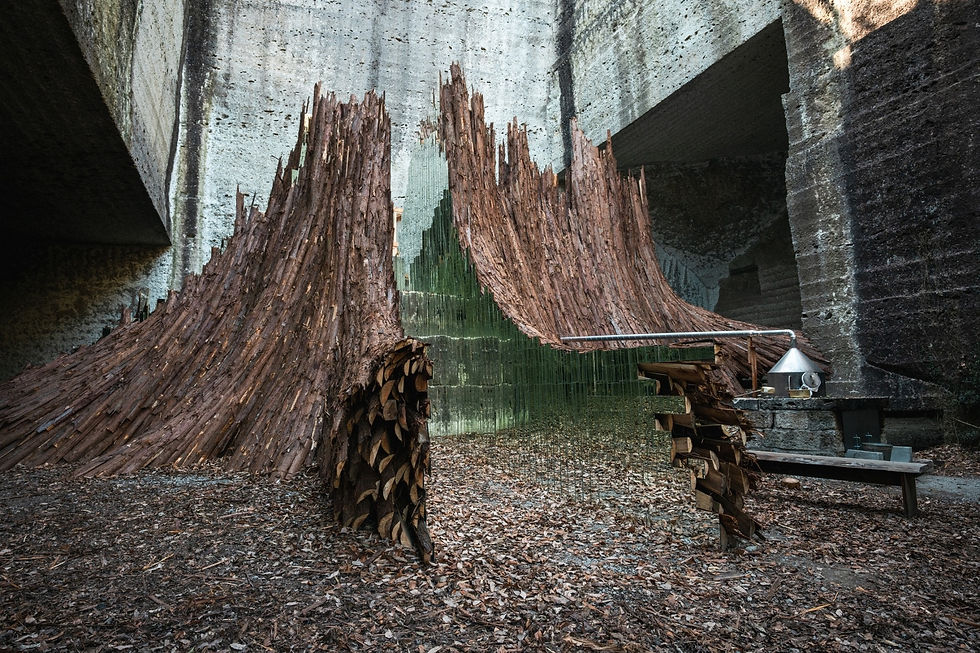
2011年の福島の原発事故以降、栗林は毎年福島を訪れ、その現場と状況、経過を見てきた。そして原子力発電の仕組みや多くのことを学んでいく上で、現地に住む福島の人々との関係を深めていく。その過程において、恐怖と戦うのではなく事象や物事、そしてその未来を希望とポジティブな感情を持って取り組み人達と出会い、そして逆にその人達から元気を貰うことによって、単純に原発を賛否するのではなく違う方向から捉える事に至る。恐怖の象徴であった原子炉をポジティブなものに変える。それは同じ蒸気に力で稼動するシステムを、スチームサウナのような空間に変え、また原料を核融合というものから、原始的な薪、火、水、そして薬草を加えることで、身体の中に入れるエネルギーを核エネルギーのような人間がコントロール不可能なものから、整えるものへと変更し、体験させることで、人々が健康に、そして元気になる装置へと昇華させたのである。
この元気炉の由来は、中に入って体験した人々が元気になった出てくることから、これは人間の元気のパワーで稼動する元気力発電ではないか、ということから、ならばこれは元気炉だ、ということで命名された。日本にある原子力発電が66基ということで、この元気炉もそれ以上の稼働を目指すことで、それぞれナンバリングされている。
Following the 2011 Fukushima nuclear accident, Kuribayashi has visited Fukushima every year to witness the site, the situation, and its ongoing developments firsthand. As he learned about the mechanisms of nuclear power generation and many related matters, he deepened his relationships with the local people living in Fukushima. Through this process,rather than fighting against fear, he encountered people who were approaching the events, the reality, and their future with hope and positive emotions. By drawing energy and vitality (genki) from them in return, he arrived at a perspective that goes beyond a simple "pro-or-anti-nuclear" debate, viewing the issue from an entirely different angle.
His vision was to transform the nuclear reactor—once a symbol of fear—into something positive. Keeping the same system powered by the force of steam, he transformed the structure into a space resembling a steam sauna. Furthermore,he replaced the fuel source—shifting away from nuclear reactions to primitive elements like firewood, fire, water, and medicinal herbs. By changing the energy taken into the body from something uncontrollable by humans, like nuclear energy, into something that harmonizes and restores, and allowing people to physically experience it, he elevated the reactor into a device that makes people healthy and revitalized.
The name Genki-ro (Vitality Reactor) originated from the fact that people who entered and experienced the space emerged feeling energized and revitalized. This sparked the idea that it was actually running on "vitality power generation" (genki-ryoku hatsuden) fueled by human energy—and thus, it was named Genki-ro. Because there are 66 nuclear reactors in Japan, each Genki-ro is individually numbered with the goal of surpassing that number in active units.
Genki-ro Number